The Department of Electrical Technology (ET) was established at the Institute.
Systematic lectures and practical training in Electrical Technology were initiated.
A three-year post-B.Sc. programme in Electrical Technology was introduced.
A Certificate of Proficiency was awarded to students who successfully completed the programme.
1921-1930
1923
The Section of Electrical Communication Engineering was established within the Department of Electrical Technology.
Instruction and research in Electrical Communication Engineering were initiated under the leadership of J. K. Catterson-Smith, along with F. N. Mowdawala and J. F. C. Kann.
1923-1925
A Wireless Laboratory was planned and established in the Department of Electrical Technology to support training and research in electronics and radio.
Courses in electronics and radio were introduced for final-year Electrical Technology students, marking the first such academic initiative in India.
1927
The Department provided precision and commercial calibration support for industries and government organizations, including Kolar Gold Fields, Bangalore Woollen, Cotton and Silk Mills, the Electricity Departments of Mysore, Travancore and Madras, and the Tata Hydro Electric Company.
The industrial research carried out by the Department contributed to the establishment of the Government Porcelain Factory, Bangalore, the Travancore Electro-chemical Industry, and Hindustan Radio Products, Bombay.
1928
The Wireless Laboratory and the Section of Electrical Communication Engineering were renamed as the Electrical Communication Engineering Laboratory.
1928-1929
Electrical Communication Engineering was formally recognized as a distinct discipline.
A one-year supplementary course in Electrical Communication Engineering was introduced for graduates of Electrical Technology and related programmes.
1931-1940
1932
A three-year post-B.Sc. course in Electrical Communication Engineering was launched in the Department of Electrical Technology.
This became the first full-time Electrical Communication Engineering course in India.
1941-1950
1946
The Electrical Communication Engineering Laboratory was separated from the Department of Electrical Technology.
An independent Department of Electrical Communication Engineering was formed under the leadership of Prof. K. Sreenivasan.
1947
Coursework evaluation based on examinations and award of marks commenced at IISc.
The Diploma of IISc (D.I.I.Sc.) was introduced in place of the earlier Certificate of Proficiency.
1948
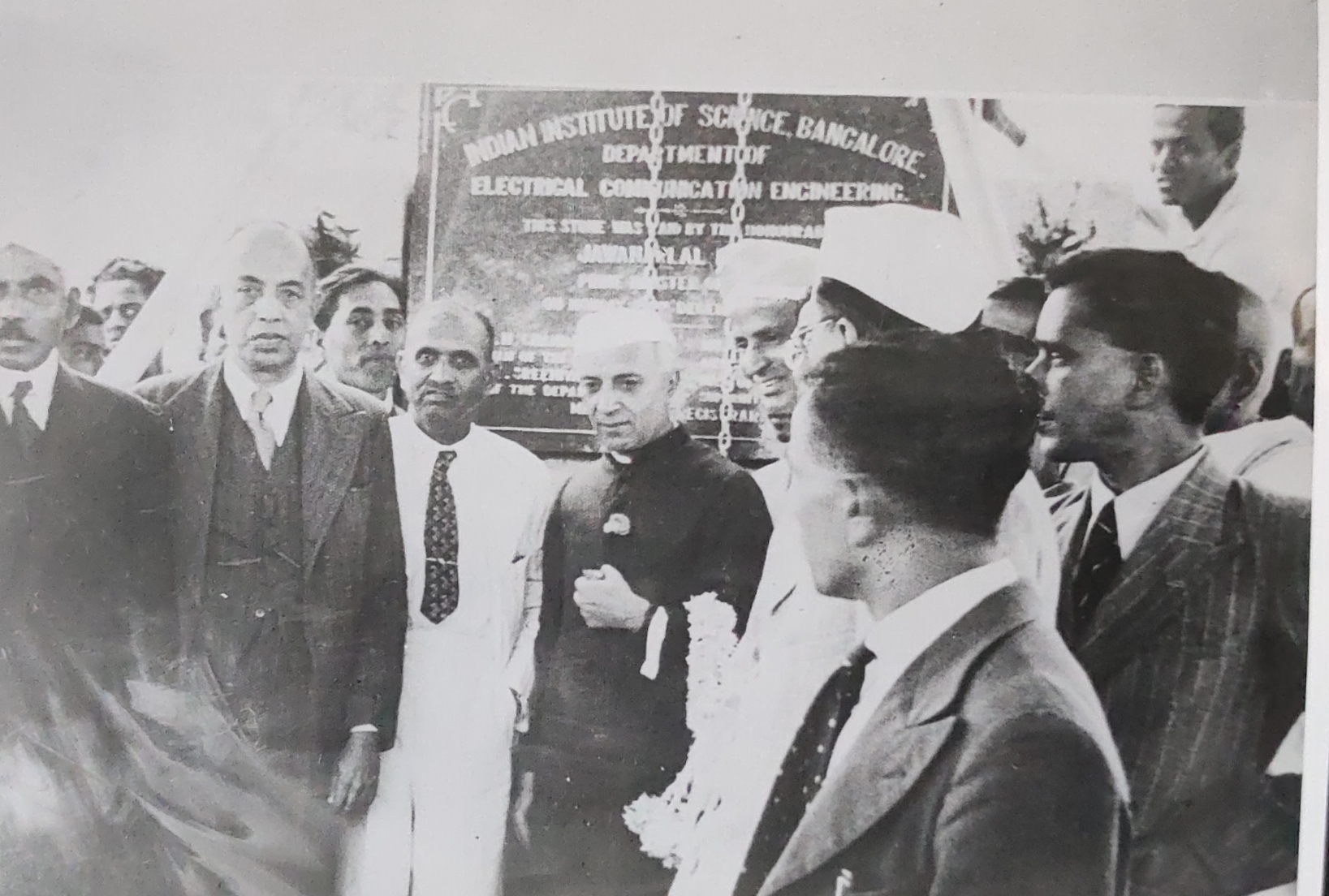
The foundation stone for the Department of Electrical Communication Engineering building was laid on 27 December 1948 by Pandit Jawaharlal Nehru, the first Prime Minister of India.
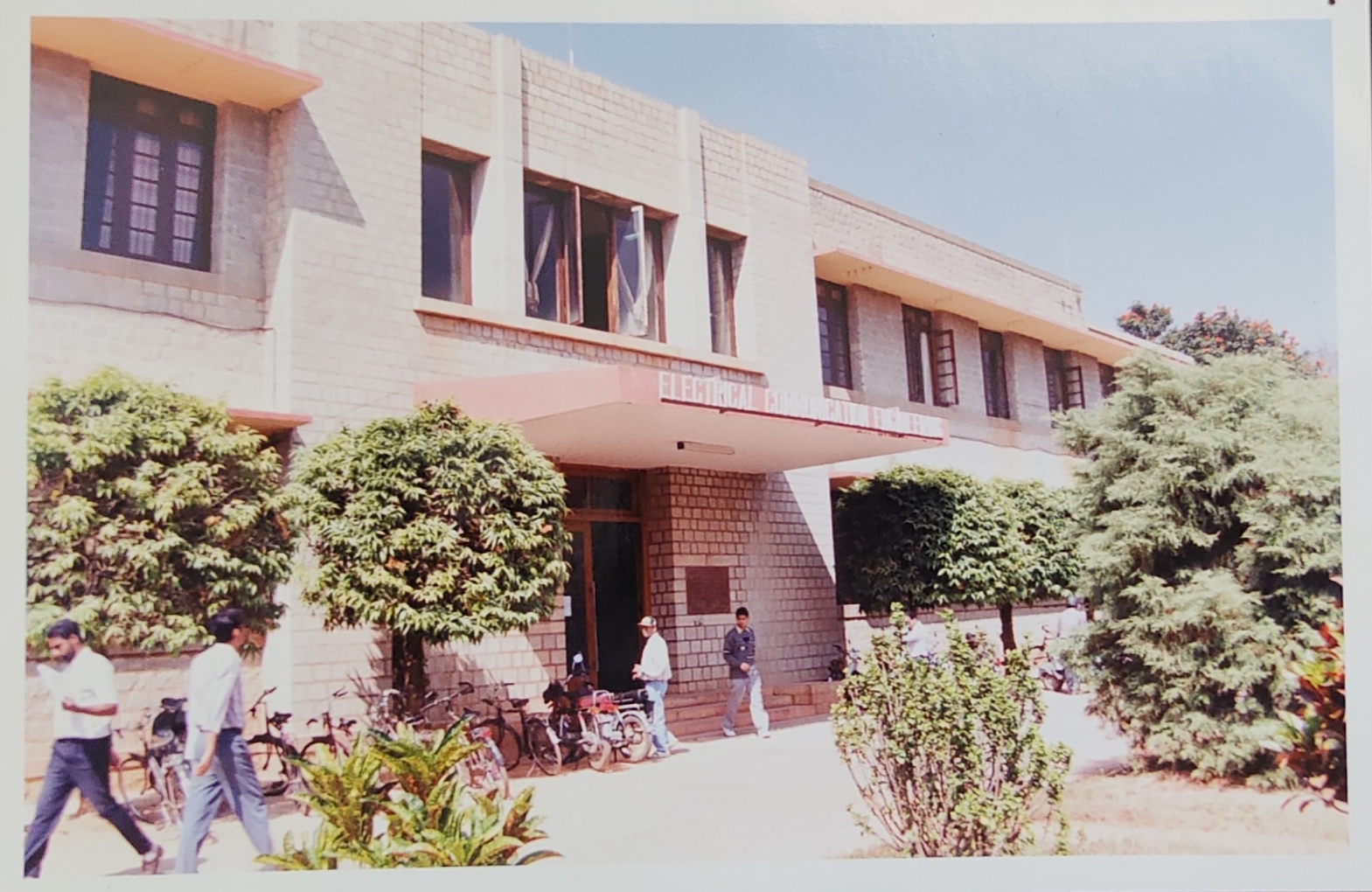
The new building was planned with modern laboratories and spacious lecture halls to support advanced instruction and research in Electrical Communication Engineering.
1951-1960
Early 1950s
The Department established advanced facilities for microwave measurements, pulse testing of networks, ionospheric studies, acoustics of buildings, and radar instruction and research.
1952
The Institute appointed Deans of Engineering and Science for the first time.
Prof. K. Sreenivasan, Head of the Department of Electrical Communication Engineering, was appointed as the Dean of Engineering.
1956
D.I.I.Sc. (PG) programmes in Electronics Engineering, Ultra-Short and Microwave Engineering, and Line Communication Engineering were launched for D.I.I.Sc. (ECE) and B.E. (ECE) holders.
These programmes emphasized advanced courses, project work, and training in industry and research laboratories, and represented the first postgraduate ECE programme of this kind in India.
During this period, IISc also received deemed university status.
1958
The first batch of Diploma students in Electrical Communication Engineering graduated, comprising 16 students.
The Institute also began awarding degrees in place of D.I.I.Sc., with B.E. (ECE) corresponding to D.I.I.Sc. and M.E. (ECE) corresponding to D.I.I.Sc. (PG).
Late 1950s
The Department expanded its research and developmental activities under the leadership of S. V. Chandrashekhar Aiya.
1959-1960
The Institute initiated planning for the Third Five-Year Plan (1961-1966), ushering in a more structured approach to the consolidation and expansion of scientific activities.
Electrical Communication Engineering research during this period included acoustics standards, design and development of receiving tubes, transistor circuitry, and studies on noise effects.
1961-1970
1963
The M.E. (ECE) programme was restructured based on the Thacker Committee recommendations.
The revised curriculum placed emphasis on Mathematics, Material Science and Technology, and Instrumentation as core subjects.
Rigorous theoretical or experimental analysis and research- or design-oriented project work became an integral part of the curriculum.
The duration of the programme was fixed at two years.
1960s
The Department expanded research into communication theory, statistical methods, microwave propagation, antenna design, acoustics, semiconductor circuits, and analog computation.
New programmes were launched to address national needs, including studies on atmospheric radio noise for telecommunication and broadcasting planning.
Several new laboratories were established to strengthen research across Electrical Sciences.
Other major research areas included solid-state materials and devices, instrumentation, microwave antennas, optical digital signal processing, and sponsored work on sound transmission in coastal seas.
1969
The School of Automation was established, strengthening research in control systems, electronics, and computer engineering.
1970
The B.E. and M.E. programmes at IISc were restructured under the Unit System.
Credits were assigned to theory, practicals, and project work, with an average term load of 16 credits.
A flexible curriculum with core courses, electives, and project work was introduced.
A five-point grading system replaced the earlier marks-based system, marking the first such academic reform of its kind in India.
The National Conference on Electronics, organized under the leadership of Vikram Sarabhai, also provided major impetus to the growth of electronics and communication engineering in the country.
1971-1980
1971
The Centre for Information Processing (CIP) was established in the ECE Department with support from the Ministry of Defence, and it continued until 1979.
The Centre enabled advanced research and development in areas such as surface acoustic devices, materials for microwave systems, digital speech processing, and optical holography.
1974
A one-year D.I.I.Sc. postgraduate course was launched for sponsored B.E. (ECE) and M.Sc. (Physics) degree holders, with specialization in Digital Communication and Data Processing.
The Centre for Electronics Design and Technology (CEDT) was established with support from the Department of Electronics, UGC, and the Swiss Development Cooperation under the Indo-Swiss Agreement.
CEDT was created to train design engineers and technologists and represented a pioneering initiative of its kind in India.
An HP Fourier analyzer was also set up as a facility for interactive signal processing.
1975
A one-year D.I.I.Sc. postgraduate course in Electronics Design and Technology was introduced for sponsored B.E. (ECE) and M.Sc. (Physics) degree holders.
This programme was later upgraded to the M.Tech. (ED) programme in 1987.
1981-1990
1981
A seven-point grading system was introduced in place of the earlier five-point system in order to provide better grade resolution.
1983
The M.E. (ECE) programme was restructured based on the Nayudamma Committee recommendations.
A three-semester programme was introduced with greater emphasis on advanced courses and project work.
GATE qualification was made mandatory for admission to the M.E. programme.
A new four-year post-B.Sc. integrated M.E. (ECE) programme was launched.
The earlier three-year post-B.Sc. B.E. (ECE) programme was continued temporarily.
A four-year integrated post-B.Sc. programme was also adopted by the Departments of Electrical Communication Engineering, Electrical Engineering, and Mechanical Engineering.
1980s
The Department carried out major research programmes in polysilicon device technology, thick- and thin-film hybrid microelectronics, sensor technology, composite materials, underwater acoustics, adaptive antenna arrays, microwave communication, and optical communication.
Research also expanded in signal processing for speech, video, and radar, optical image processing, microprocessor-based instrumentation, computer communication networks, switching theory, logic design, and ASIC design.
1986
The three-year post-B.Sc. B.E. (ECE) course was phased out.
1991-2000
1991
A divisional review of the ME (Integrated) course was conducted within the Electrical Sciences (ES) Division.
The coursework was strengthened and restructured by introducing divisional core subjects and specifying new departmental core subjects.
Additional elective courses were incorporated into the curriculum.
One full academic year was allocated exclusively for project work to enhance research orientation.
1996
A comprehensive divisional review of the ME and ME (Integrated) programmes was undertaken within the Electrical Sciences Division.
A decision was made to phase out the ME (Integrated) (ECE) programme.
The ME (ECE) programme was strengthened to improve its academic and research rigor.
New ME programmes in emerging areas were introduced in collaboration with other departments and research centres.
1998
The ME (Signal Processing) programme was introduced jointly by the Department of Electrical Communication Engineering and the Department of Electrical Engineering.
The programme was supported by a team of 13 faculty members specializing in signal processing.
2001-2010
To be added
2011-2020
To be added
2021-2030
To be added
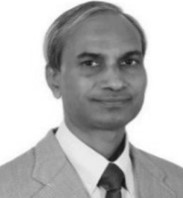
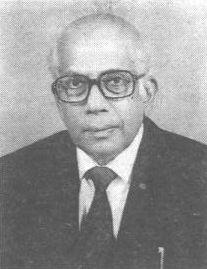
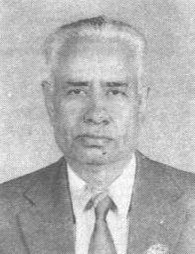
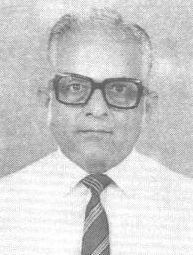
Faculties
(The faculties are listed in the chronological order of their leaving date)
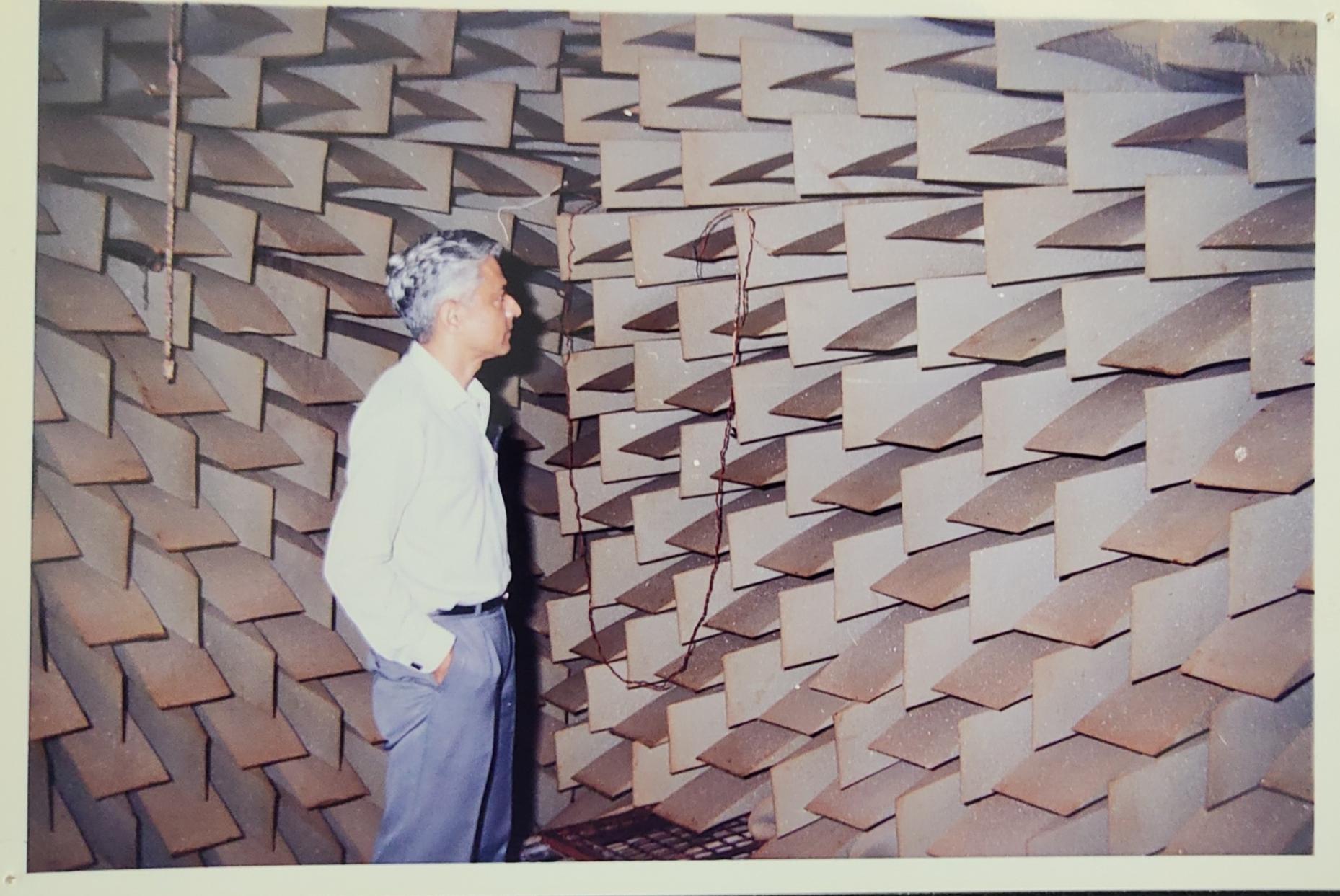
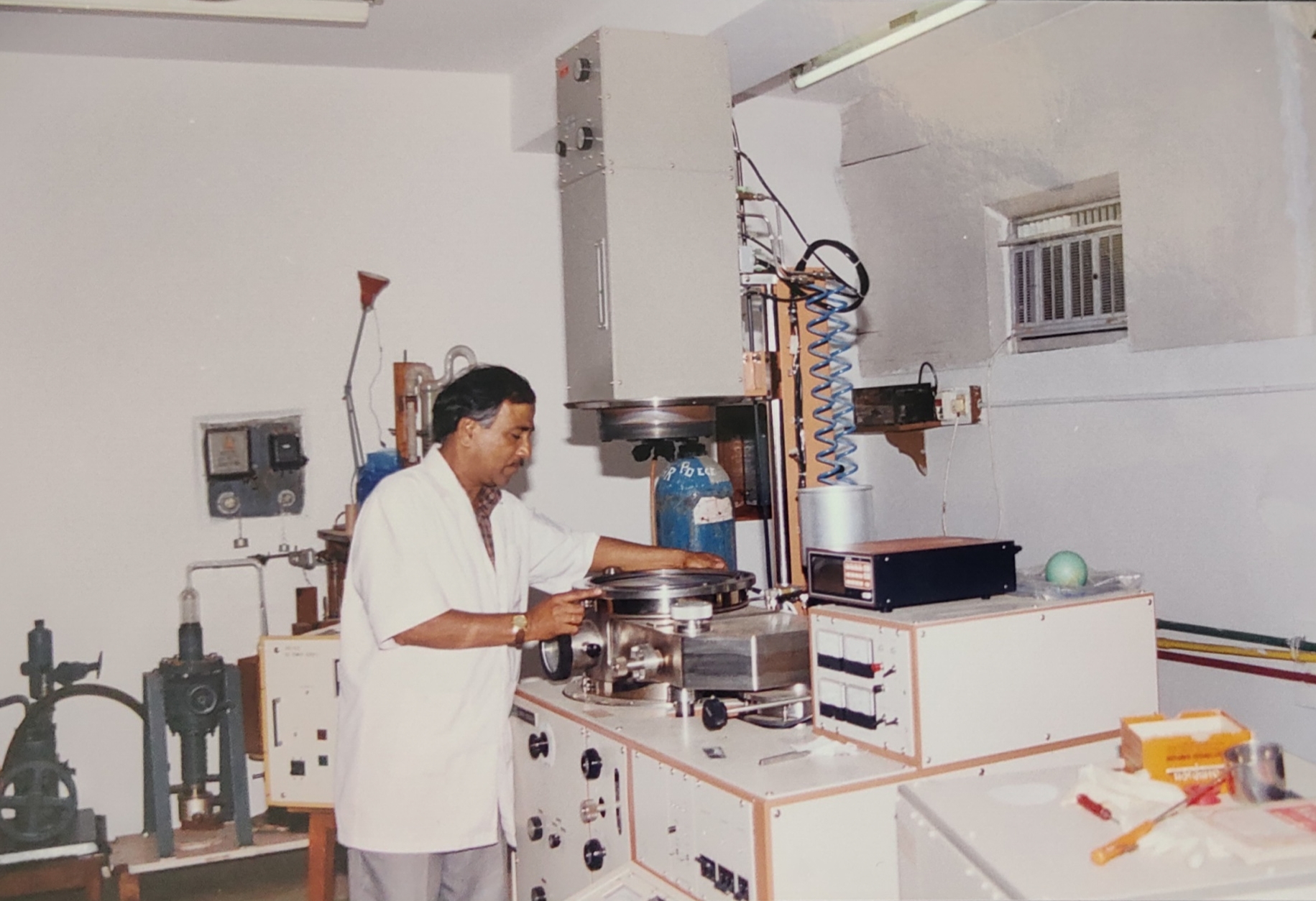
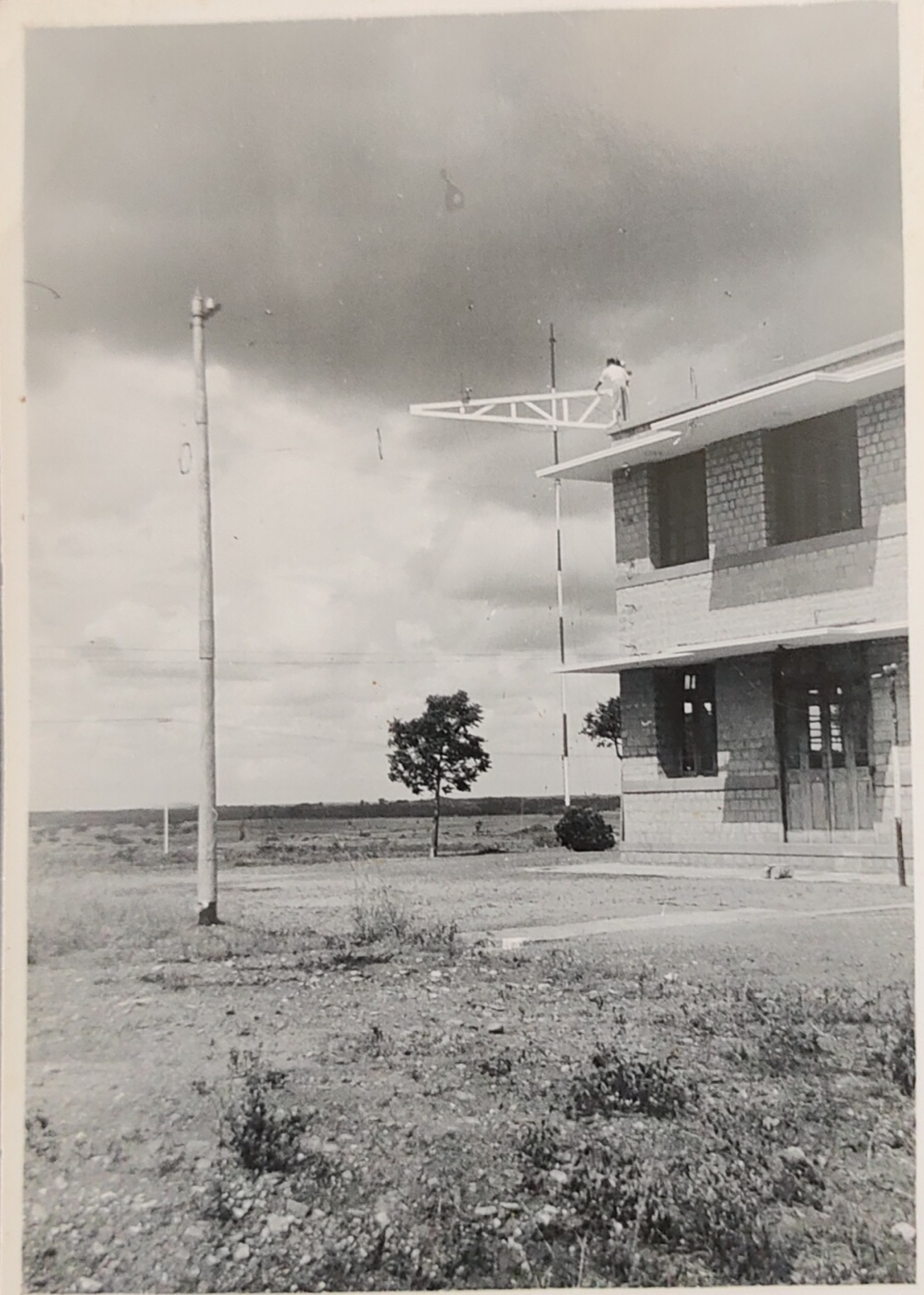
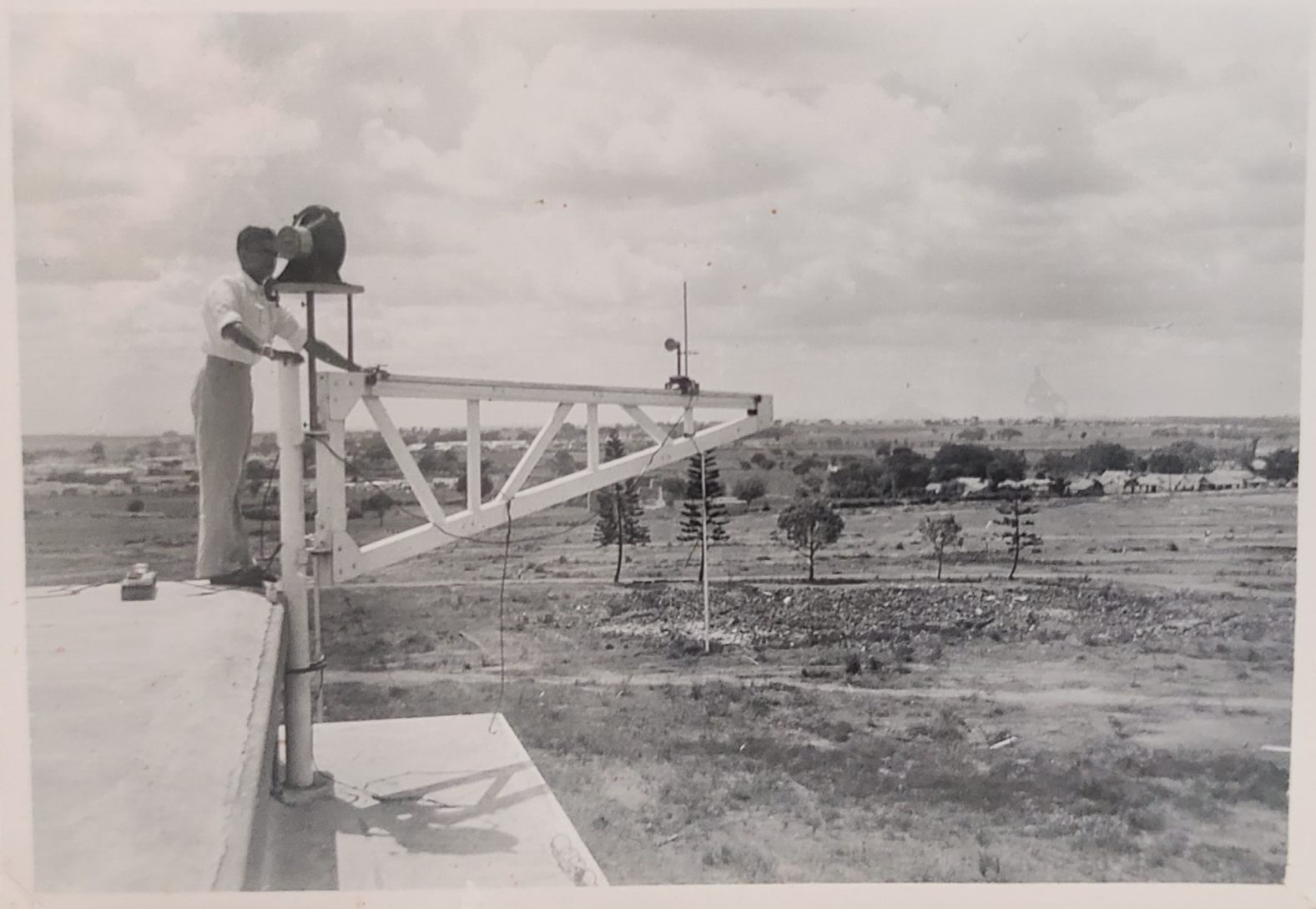
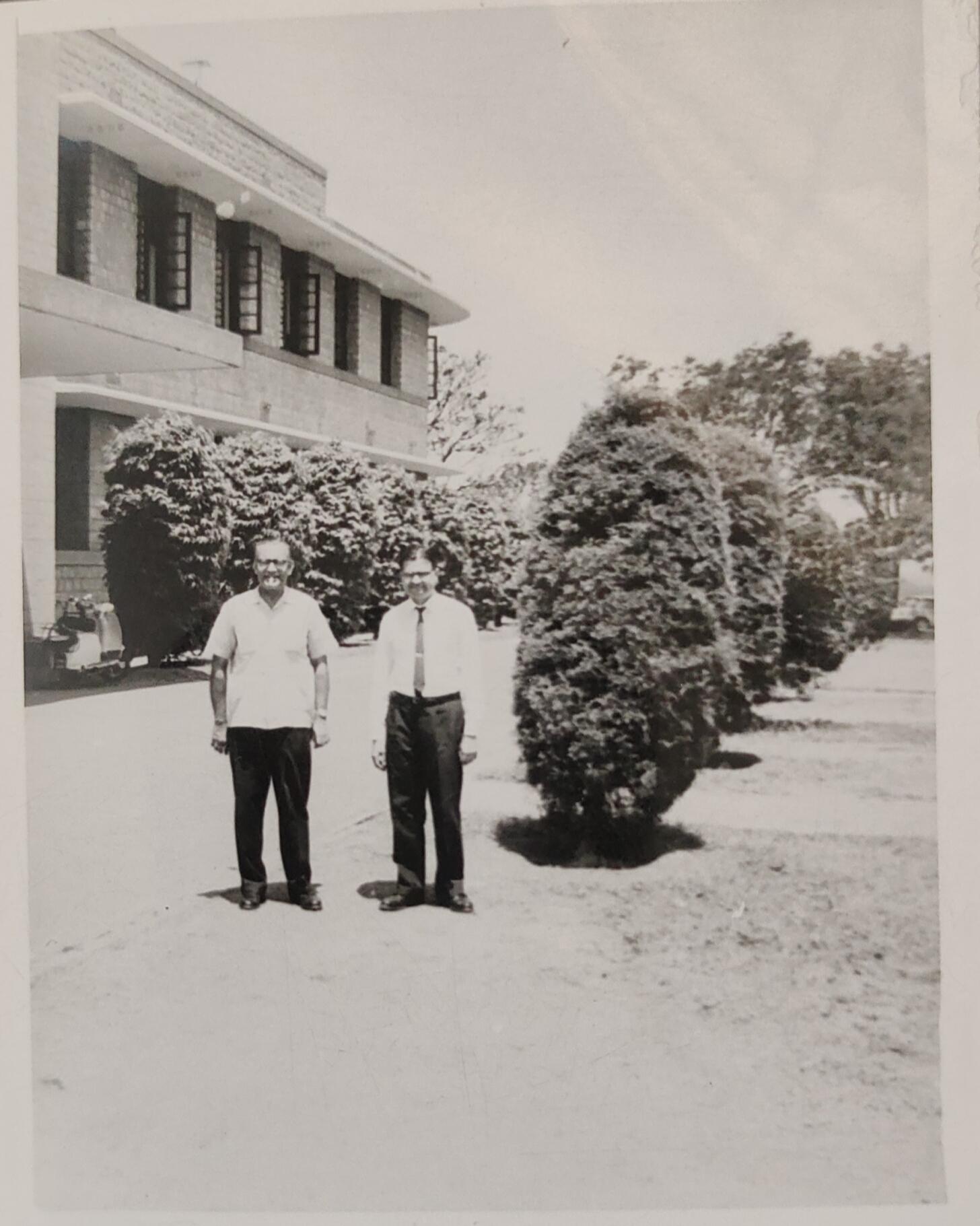
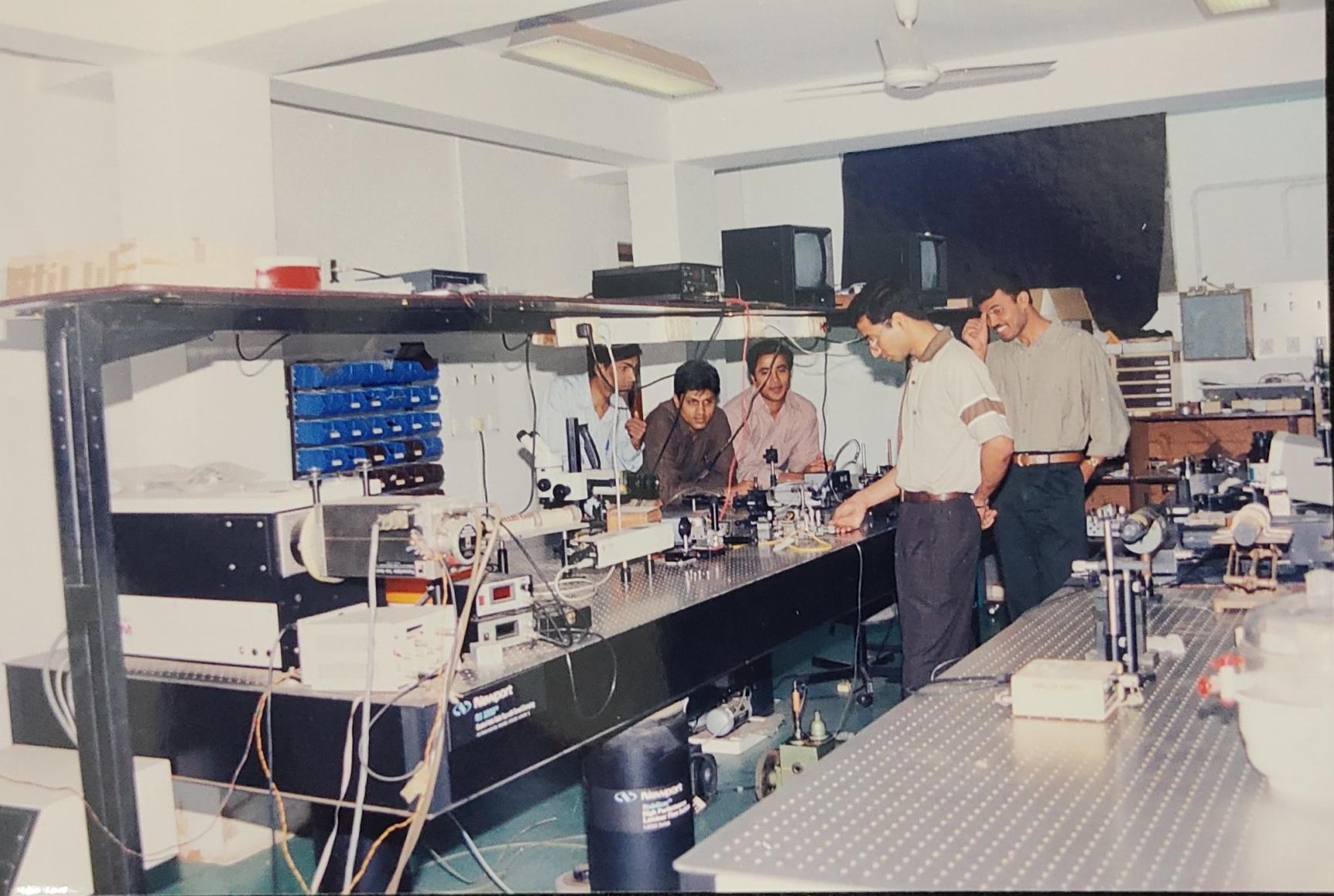
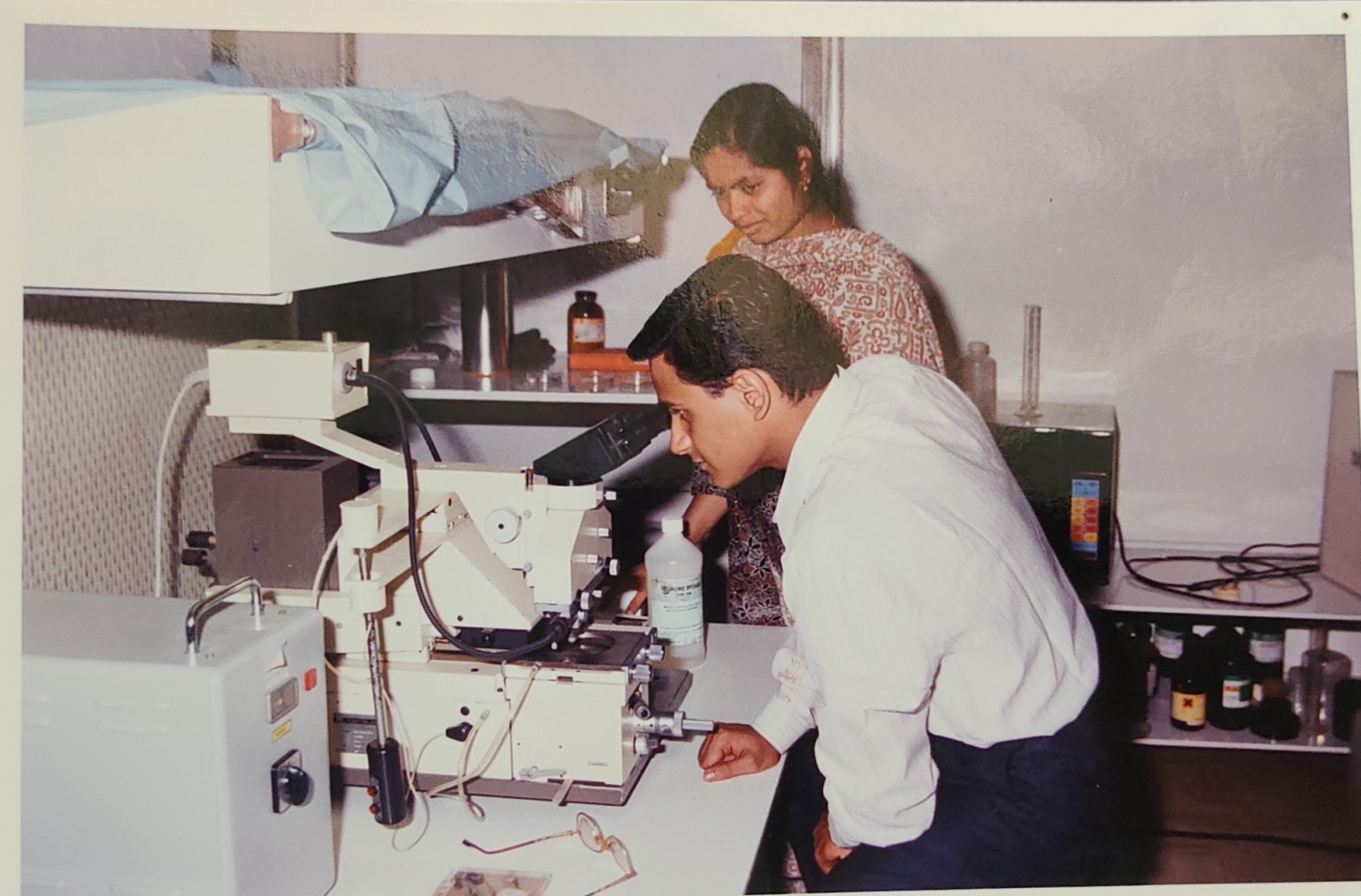
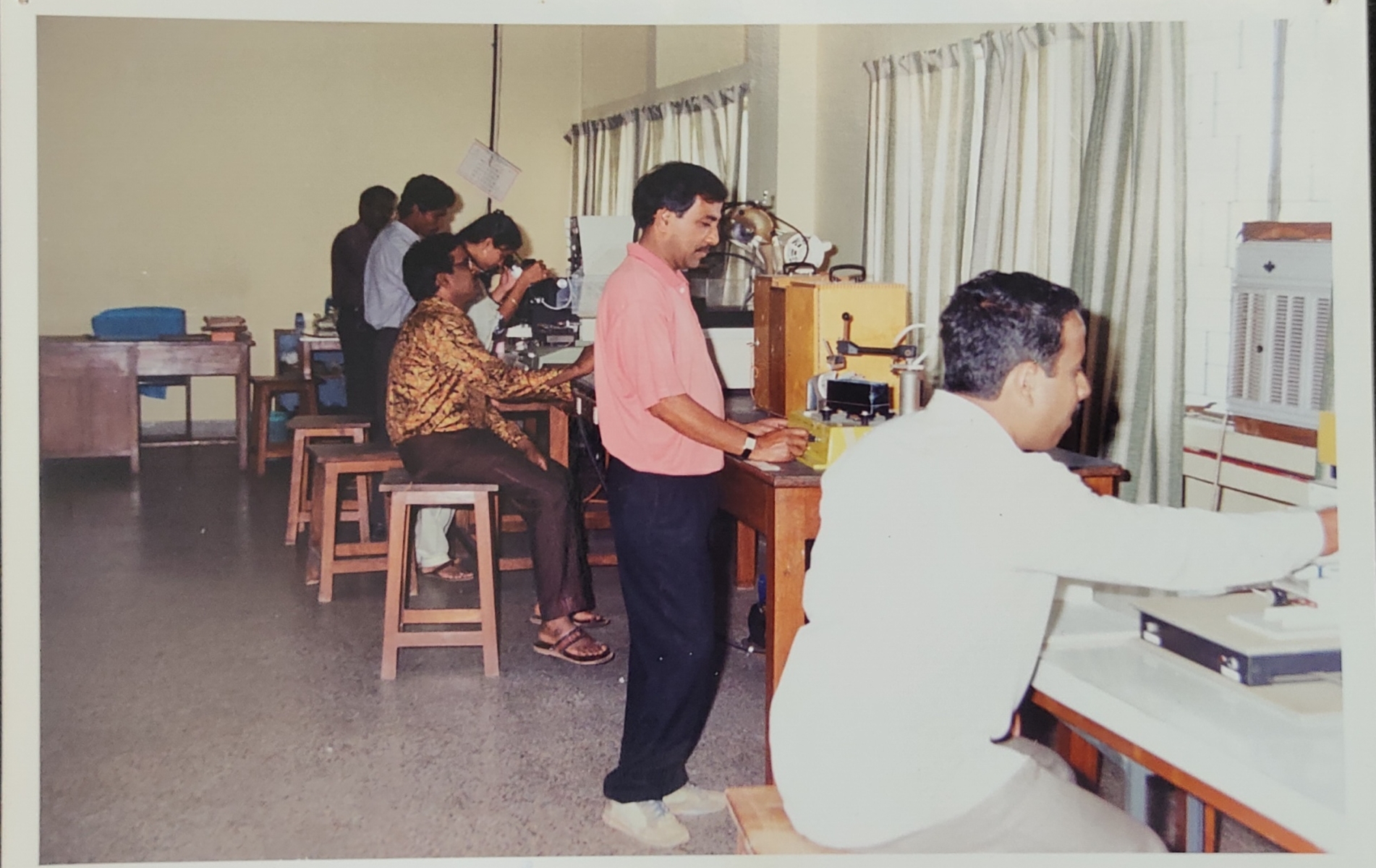
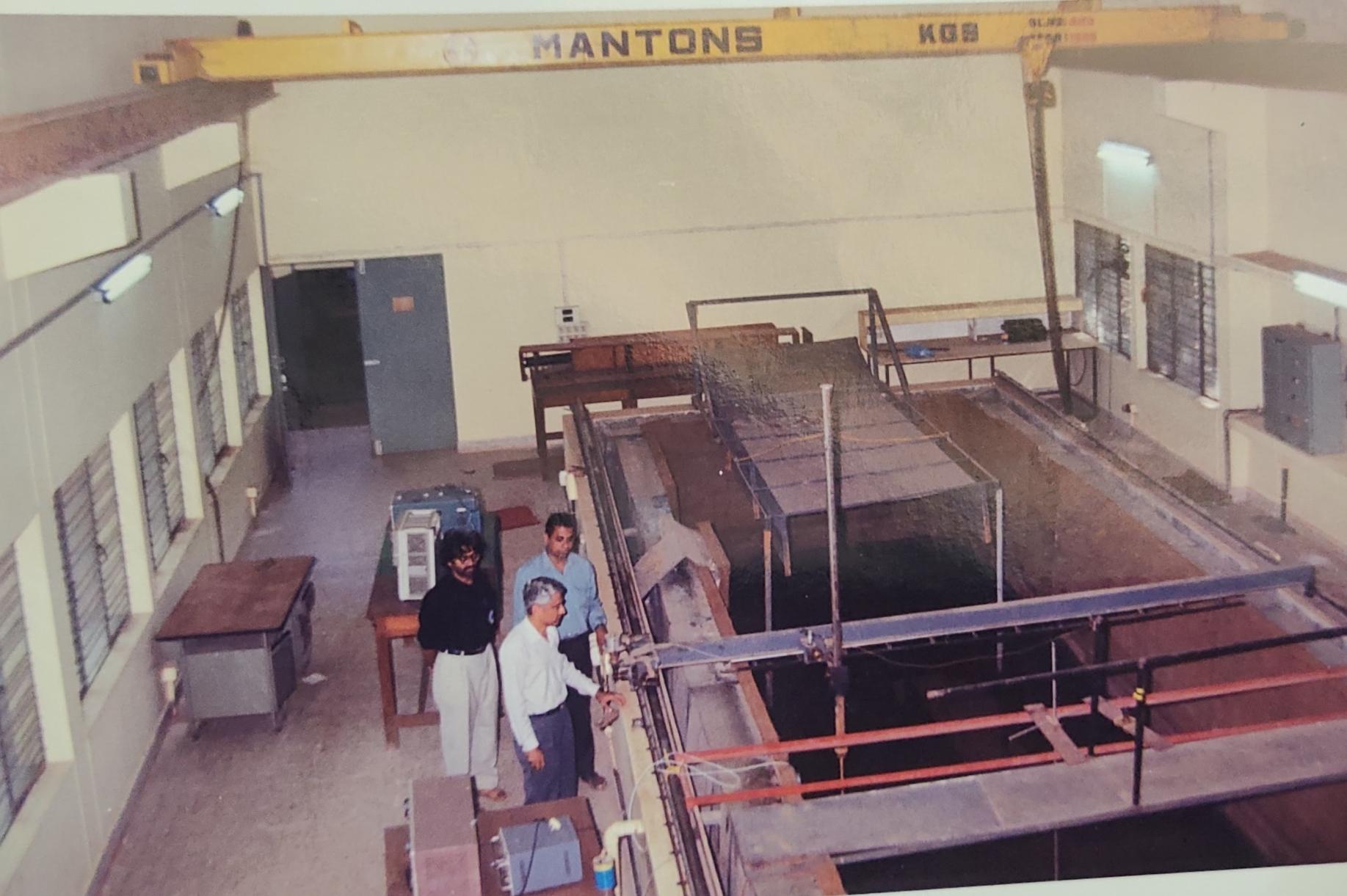
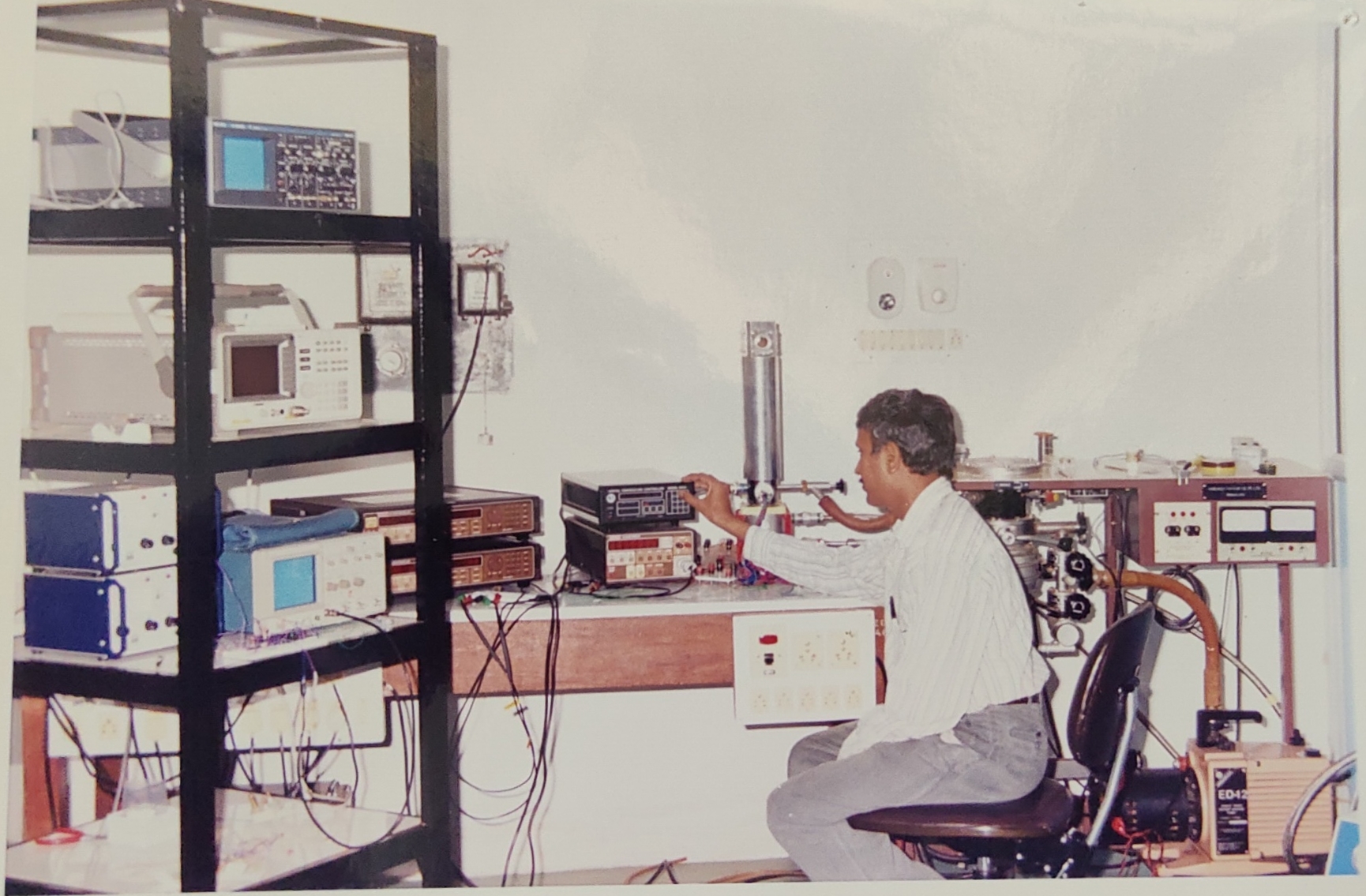
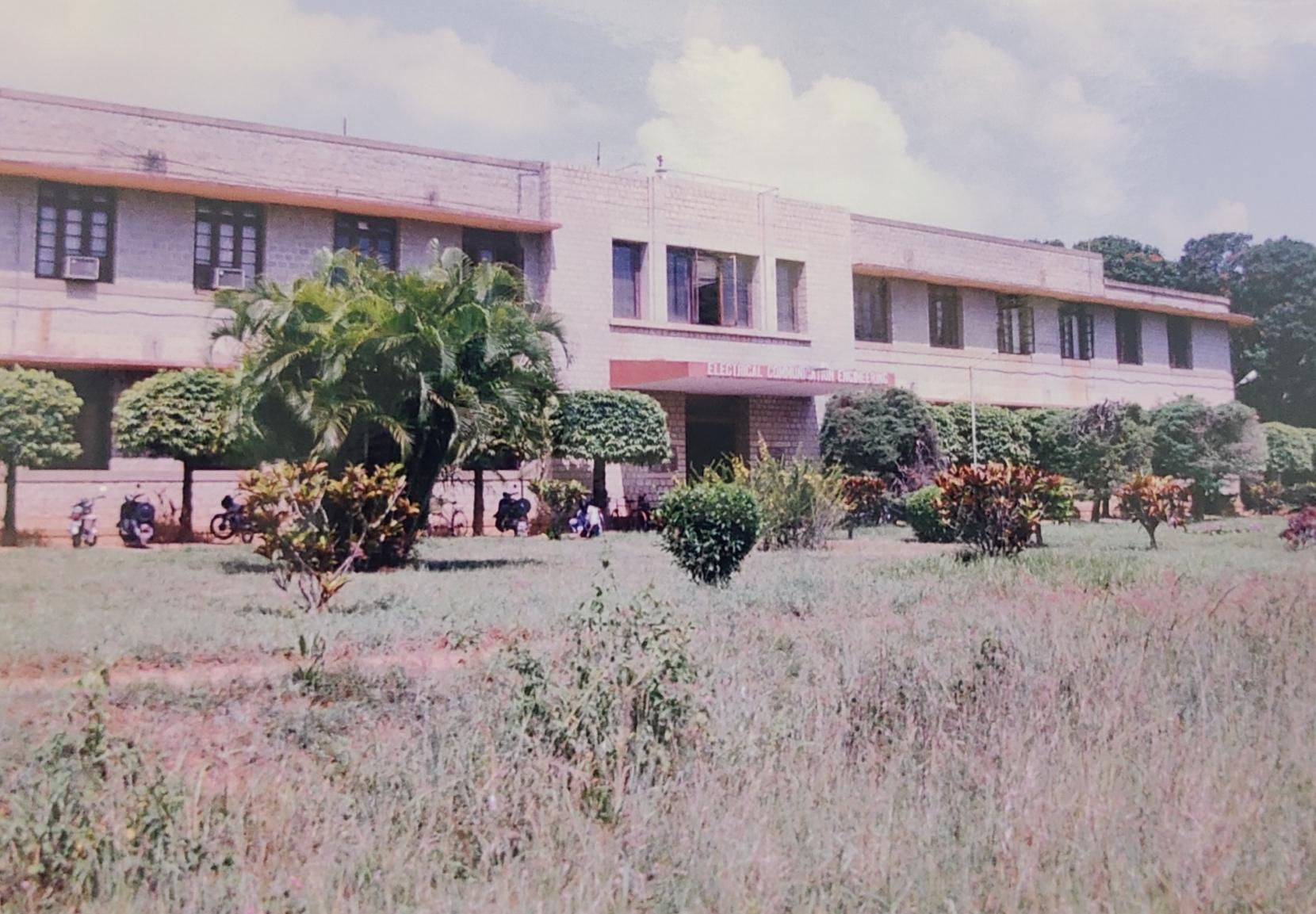
Inauguration ceremony led by Jawaharlal Nehru along with distinguished guests and faculty members.Front view of the Electrical Communication Engineering Department building.Inside the anechoic chamber used for advanced research and testing.Devices labInitial campus infrastructure during the early development years.Field antenna installation and outdoor experimental setup.Prof. N. S. Nagaraja(left) and Prof. B. S. Sonde(right) standing in front of the department premises.Students and researchers working in the laboratory.Students and researchers working in the laboratory.Students and researchers working in the laboratory.Underwater acoustics research laboratory and testing facility.Students and researchers working in the laboratory.Garden view of the ECE department building.
×
Source & Credits: IISc ECE departmental records and archives; IRINS; Wikipedia; images from departmental collections and faculty contributions.
For any feedback/ suggestions, please contact: office.ece.iisc.ac.in